Get $100 Off for First-Time Customers Today!
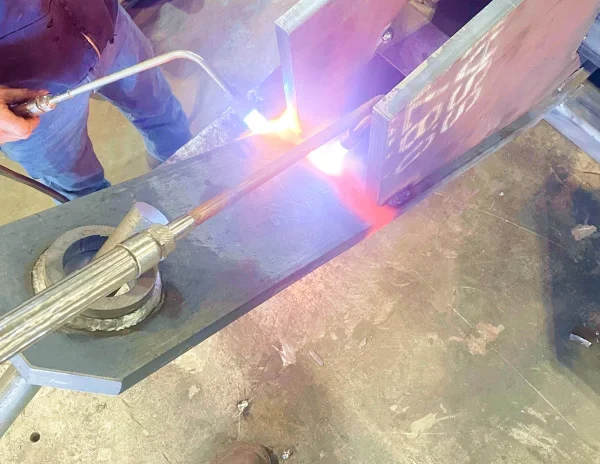
Material Selection and Design Complexity Drive Base Pricing
The two largest variables in any custom metal fabrication quote are the material you select and the complexity of your design. Mild steel remains the most economical choice for structural applications like custom fabrication projects, racks, and basic railings. It welds easily, machines predictably, and costs substantially less per pound than specialty metals. Aluminum offers corrosion resistance and lighter weight, making it ideal for awnings, decorative screens, and outdoor installations where rust prevention matters. Stainless steel commands the highest material cost but delivers superior durability and aesthetic appeal for handrails, food-service equipment, and architectural accents that require a polished, maintenance-free finish.
Design complexity multiplies labor hours quickly. A straight run of railing with simple vertical pickets requires basic cutting, welding, and finishing. Add curves, custom ornamental elements, intricate scrollwork, or integrated lighting channels, and fabrication time increases dramatically. Each bend must be calculated and executed precisely. Every decorative component requires additional cuts, welds, and finish work. In Sedalia and the surrounding communities, residential clients often request custom staircase railings that incorporate family initials, ranch brands, or geometric patterns. These personalized touches add character and value, but they also require skilled layout work, precise cutting (often using CNC equipment), and meticulous welding to maintain design integrity.
Thickness and gauge also affect pricing. Heavier gauge metal costs more per linear foot and requires more powerful equipment to cut, bend, and weld. A decorative gate fabricated from 14-gauge steel will cost noticeably less than the same design executed in 10-gauge material, but the thicker metal offers greater structural strength and longevity. When planning your project, consider the balance between aesthetic preferences, functional requirements, and budget constraints. Discussing material options and design simplification strategies with your fabricator before finalizing drawings can yield significant cost savings without compromising the finished result.
Skilled Labor and Advanced Equipment Define Quality and Cost
Custom metal fabrication is a skilled trade that requires years of training, precision equipment, and ongoing investment in technology. The labor portion of your quote reflects not just hours spent cutting and welding, but the knowledge required to interpret drawings, select appropriate techniques, troubleshoot fit issues, and deliver dimensional accuracy. A qualified fabricator understands material properties, thermal expansion, joint strength, and finishing requirements. This expertise ensures your railing mounts securely, your gate operates smoothly, and your structural component performs safely under load.
Modern fabrication shops rely on CNC plasma cutters, press brakes, milling machines, and precision welding equipment. These tools enable tight tolerances, repeatable accuracy, and complex geometries that would be impossible to achieve manually. However, they also represent substantial capital investment and require skilled operators. CNC programming alone adds labor time to projects involving intricate cuts or multiple identical components. For example, a set of matching decorative fence panels with identical cutout patterns benefits enormously from CNC cutting, but the programming and setup time must be factored into the project cost. In Central Missouri, where agricultural, commercial, and residential projects intermix, fabricators maintain diverse equipment capabilities to serve varied client needs, from heavy structural steel work to delicate architectural metalwork.
Welding expertise matters significantly. A structural weld on a load-bearing staircase must meet code requirements for penetration and strength. A finish weld on a decorative railing requires smooth, consistent beads that will look clean after powder coating or painting. Stainless steel welding demands specialized skills and equipment to prevent discoloration and maintain corrosion resistance. When you pay for fabrication labor, you are purchasing the assurance that joints will hold, finishes will last, and installations will meet both safety standards and aesthetic expectations. Shops that invest in ongoing training, modern equipment, and quality control processes deliver superior results, and their pricing reflects that commitment.
Why Bespoke Designs Command Premium Investment
Off-the-shelf metal products arrive ready to install, with manufacturing costs spread across thousands of identical units. Custom fabrication works differently. Every bespoke project begins with design consultation, measurement verification, and detailed planning. The fabricator must interpret your vision, translate it into buildable specifications, identify potential issues before cutting metal, and often create templates or mockups to confirm fit and appearance. This front-end work represents billable time that standard products do not require.
True custom work accommodates unique site conditions that mass-produced items cannot address. A commercial handrail that must navigate around existing columns, match specific architectural angles, or integrate with historical building elements requires precise field measurements and adaptive design. Residential projects in older Sedalia homes often involve non-standard dimensions, irregular floor heights, or unusual mounting surfaces. Fabricators must account for these variables, engineer appropriate solutions, and sometimes fabricate custom mounting hardware or transitional elements. Each of these adaptations adds labor and material cost, but the result fits perfectly and functions as intended.
Prototyping and revision also factor into custom pricing. Complex ornamental gates may require sample sections to verify appearance and scale before full fabrication. Structural components might need engineering review and approval. Changes during fabrication, whether client-initiated or necessary due to unforeseen site conditions, require additional labor and potentially wasted material. Reputable fabricators build some contingency into quotes for projects with inherent complexity, but significant changes will trigger price adjustments. The trade-off for this investment is a finished product that meets your exact specifications, fits your space perfectly, and delivers the aesthetic and functional performance you envisioned. Standard products may cost less initially, but they rarely deliver the same level of satisfaction or long-term value for applications where fit, function, and appearance matter.
How Scheduling and Demand Influence Your Total Investment
Fabrication shops operate with finite capacity, and lead times fluctuate based on current workload, project complexity, and seasonal demand patterns. In Central Missouri, spring and early summer typically bring increased demand for outdoor projects like fences, gates, and decorative railings as property owners prepare for warmer weather. Agricultural clients often schedule equipment modifications and repairs around planting and harvest cycles. Commercial construction projects follow bid award timelines that can create clusters of demand. When shops are busy, lead times extend, and rush requests may incur premium pricing.
Standard turnaround for straightforward custom projects typically ranges from two to four weeks after design approval, depending on shop capacity and material availability. This includes time for material procurement, fabrication, finishing, and quality inspection. More complex projects requiring engineering review, specialty materials, or extensive custom work may require six to eight weeks or longer. If your project includes powder coating, hot-dip galvanizing, or other off-site finishing processes, add additional time for shipping and processing at those facilities. During peak demand periods in the Warrensburg, Marshall, and Sedalia region, expect longer lead times as shops balance multiple projects.
Rush service is sometimes available but comes at a cost. Prioritizing your project may require shifting other work, scheduling overtime hours, or expediting material delivery, all of which increase expenses. If your timeline is flexible, scheduling work during slower periods can sometimes yield better pricing or faster turnaround without rush fees. Communicating your actual deadline clearly and early in the quoting process helps fabricators plan efficiently and avoid misunderstandings. Projects that require installation coordination with other trades, inspections, or specific event dates need careful timeline planning to ensure all parties can meet commitments without unnecessary delays or added costs.
Preparing for Your Fabrication Consultation and Estimate
Accurate quotes begin with clear communication. When contacting a fabrication shop, provide as much detail as possible about your project. Describe the application (residential handrail, commercial gate, equipment rack, decorative feature), approximate dimensions, preferred material if known, and any specific design requirements or constraints. Reference photos, sketches, or CAD drawings help fabricators understand your vision and identify potential challenges early. If you are working within a specific budget range, stating that upfront allows the fabricator to suggest design approaches or material alternatives that meet your financial parameters.
Site conditions significantly affect fabrication and installation costs. Provide accurate measurements, including mounting surface details, clearance constraints, and access considerations. A railing that must be installed on a finished staircase with delicate flooring requires different handling than one mounted during new construction. Gates that must integrate with existing posts, columns, or automation systems need careful coordination. For commercial projects, clarify code requirements, inspection processes, and any engineering or permitting needs. The more information you provide initially, the more accurate your quote will be and the fewer surprises will arise during fabrication and installation.
Ask questions that reveal the shop’s capabilities and approach. Inquire about material sourcing, fabrication techniques, finishing options, warranty coverage, and installation services. Request examples of similar completed projects and references from past clients. Understand what is included in the quoted price (design, fabrication, finishing, delivery, installation) and what might incur additional charges. Clarify payment terms, deposit requirements, and change-order procedures. A reputable fabricator will answer these questions transparently and help you understand the value you are receiving.
When you are ready to discuss your custom metalwork project, having this preparation complete will streamline the quoting process and help ensure the final result meets your expectations. Whether you need railings, gates, structural components, or unique fabricated elements, clear communication and realistic expectations set the foundation for a successful partnership. Contact a qualified fabrication shop in your area to schedule a consultation and begin turning your vision into durable, functional metalwork that serves your property for years to come.